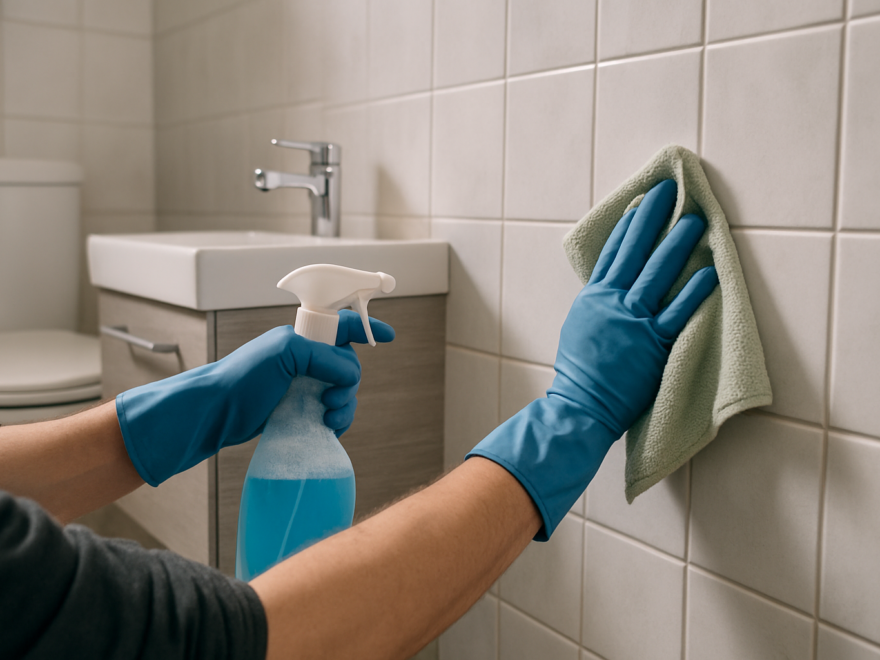
Bathroom Maintenance and Cleaning
Why it matters
Bathrooms require regular upkeep to stay hygienic and functional. Neglecting maintenance can lead to mold growth, unpleasant odours, and plumbing problems. Proper cleaning and care extend the life of fixtures and surfaces while keeping the space safe and comfortable.
Daily bathroom cleaning routines
Establishing a daily cleaning routine prevents grime buildup and keeps the bathroom fresh. Focus on wiping down sinks, counters, and faucets to remove soap scum and water spots. Quickly cleaning the toilet seat and bowl reduces bacteria and odours.
However, daily routines should be brief and targeted. Over-saturating surfaces with water or harsh chemicals every day can degrade finishes or grout. A balanced approach that includes quick wipe-downs and periodic deep cleaning works best.
Removing mold and mildew in bathrooms
Mold and mildew thrive in damp bathroom environments, especially around showers and tubs. They can cause health issues and damage surfaces if left untreated. Effective removal requires scrubbing with mold-killing solutions and ensuring good ventilation to reduce moisture.
Ignoring early signs of mold can lead to extensive damage behind tiles or walls. Using bleach or specialized cleaners helps, but excessive use risks discolouring grout or damaging caulking. Prompt attention to leaks and humidity control is critical to prevent recurrence.
Maintaining grout and tiles
Grout and tiles form the backbone of bathroom surfaces but are vulnerable to cracking, staining, and mold. Regular sealing of grout lines prevents water infiltration and staining. Damaged grout should be repaired quickly to avoid water damage behind walls.
Choosing the right cleaning products is essential to avoid eroding grout or dulling tile finishes. Harsh abrasives or acidic cleaners can cause premature wear. Maintaining grout also involves periodic deep cleaning to remove embedded dirt and mildew.
Preventing bathroom odors
Persistent odors often stem from poor ventilation, clogged drains, or mold growth. Running exhaust fans during and after showers reduces humidity and odor buildup. Cleaning drains regularly prevents organic buildup that causes smells.
For detailed guidance on daily tasks, a bathroom cleaning checklist can help organize and prioritize chores efficiently.
Fixing common bathroom plumbing issues
Using air fresheners or deodorizers only masks odors temporarily. Addressing the root causes like leaks, mold, or plumbing issues is necessary for lasting freshness. Proper maintenance of seals around fixtures also prevents sewer gases from escaping.
Clogs, leaks, and running toilets are frequent bathroom plumbing problems. Slow drains often result from hair and soap buildup and can be cleared with mechanical or enzymatic methods. Leaky faucets waste water and damage fixtures if ignored.
Choosing bathroom cleaning products
Some repairs require professional help, especially for persistent leaks or pipe corrosion. DIY fixes can sometimes worsen problems if done incorrectly. Regular inspection of plumbing components helps catch issues early and avoid costly repairs.
Selecting the right cleaning products affects both cleaning effectiveness and surface longevity. Mild, non-abrasive cleaners are best for delicate surfaces like natural stone or sealed grout. Strong acids or bleach can damage finishes and grout if overused.
Following a comprehensive bathroom grout maintenance plan ensures tiles stay secure and water-resistant. This approach balances cleaning, sealing, and repair to extend the life of tiled surfaces and prevent costly damage.
Maintaining grout and tiles with expert care
Products with antimicrobial properties help control mold and bacteria but should be used according to instructions to avoid residue buildup. Testing new products on small areas prevents unexpected damage. A well-curated set of cleaners tailored to specific bathroom materials simplifies maintenance and protects surfaces.
Advanced grout maintenance involves more than routine cleaning. Professional-grade sealants and specialized cleaning techniques restore grout appearance and durability. Neglecting these steps leads to discoloration and crumbling grout, compromising waterproofing.