Bathroom Safety and Accessibility
Why accessibility matters
Bathrooms can pose significant risks, especially for seniors and people with mobility challenges. Proper design and safety features reduce accidents and improve independence. Accessibility upgrades also enhance comfort and ease of use.
Designing accessible bathrooms for seniors
Creating an accessible bathroom requires careful planning to accommodate limited mobility and balance issues. Space must allow for maneuvering with walkers or wheelchairs. Doorways often need widening, and fixtures should be positioned at reachable heights. A common mistake is neglecting clear floor space, which can hinder movement and increase fall risk.
When you choose to renovate your bathroom, that is probably the most critical time to consider accessibility elements.
Installing grab bars and handrails
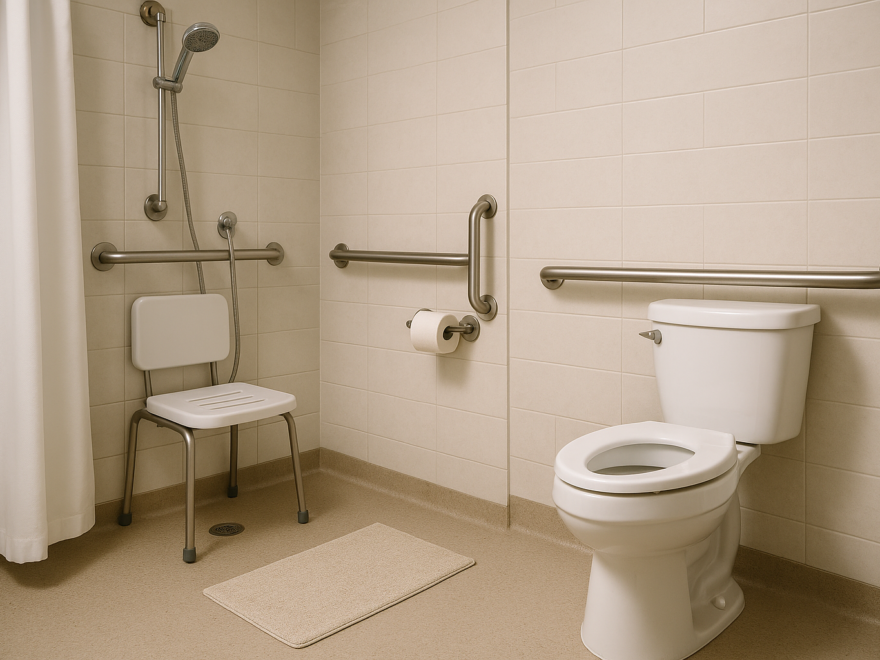
Grab bars provide crucial support near toilets, showers, and tubs. Proper placement and secure mounting are essential to prevent falls. A frequent failure is installing bars in the wrong locations or using inadequate anchors, which can give a false sense of security. Handrails along walls also assist with stability when entering or exiting the bathroom.
Slip-resistant flooring options
Flooring choice is vital for bathroom safety. Wet surfaces increase slip hazards, so materials with good traction are preferred. Tile with textured finishes or slip-resistant vinyl can reduce falls. However, some options may be harder to clean or less durable. Balancing safety with maintenance needs is a key tradeoff in selecting flooring.
Walk-in showers and tubs for accessibility
Walk-in showers eliminate the need to step over high edges, reducing trip risks. Tubs with low thresholds or door access improve bathing safety. Installing seating inside showers adds convenience but requires waterproof and sturdy designs. Designers must consider water containment and drainage to avoid slippery puddles outside the shower area. For a detailed bathroom safety checklist, many homeowners find this resource helpful in planning upgrades.
Bathroom lighting for safety
Proper lighting reduces shadows and improves visibility, helping to prevent falls. Bright, evenly distributed light is best, especially near steps and fixtures. Motion-activated lights can provide illumination without fumbling for switches. Overly harsh lighting may cause glare, so diffused fixtures often work better. Electrical safety is also important, with fixtures rated for damp environments.
Emergency features in bathrooms
Bathroom safety and accessibility improvements demand attention to detail and user needs. Choosing the right combination of features can greatly enhance daily living and reduce injury risk. Consulting professionals and using reliable checklists ensures effective and durable solutions.
Final considerations
Adding emergency alert systems or pull cords can be lifesaving for those prone to falls. These features must be easy to reach from the floor and near the toilet or shower. False alarms and accidental triggers are common issues, so placement and design require careful consideration. For practical guidance on installing these features, the bathroom modifications tip sheet offers useful advice.