Bathroom Design Styles
Why bathroom styles matter
Choosing the right bathroom design style impacts both function and comfort. It influences how you use the space daily and affects your home’s overall value. Understanding different styles helps you make informed decisions that suit your needs and preferences.
Modern bathroom design ideas
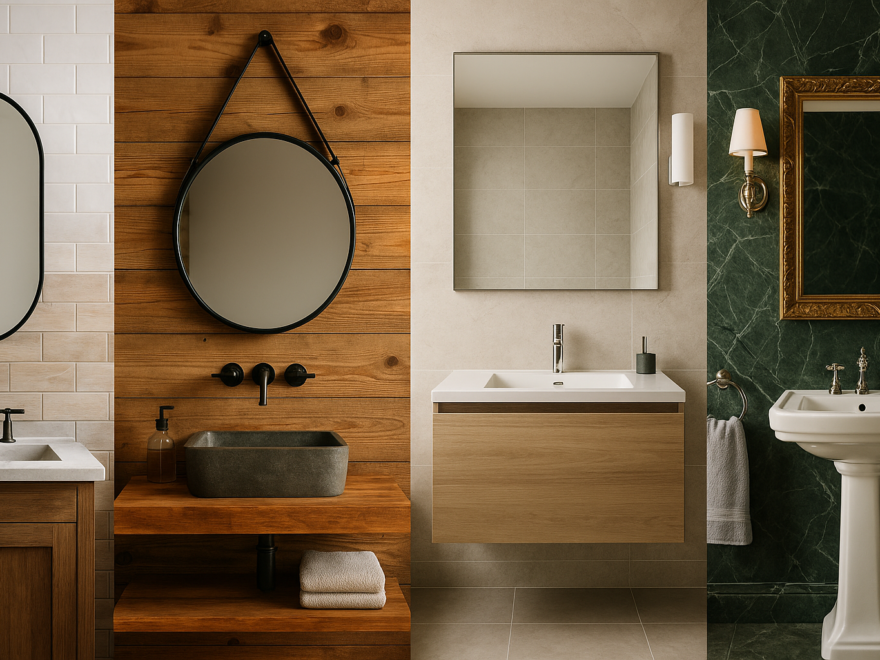
Modern bathrooms focus on clean lines, sleek surfaces, and functional layouts. Materials like glass, chrome, and polished stone dominate these spaces. A common challenge is balancing minimal clutter with enough storage, as modern designs often emphasize open, airy spaces.
Engineers and designers must consider moisture-resistant materials and proper ventilation to avoid mold and damage. Lighting plays a critical role, often integrated into mirrors or ceilings to enhance the minimalist aesthetic without overwhelming the space.
Traditional bathroom styles
Traditional bathrooms emphasize classic fixtures, ornate details, and warm color palettes. They often include freestanding tubs, pedestal sinks, and decorative molding. One tradeoff is that these styles can require more maintenance due to intricate details and materials sensitive to moisture.
Designers must carefully select finishes that withstand bathroom conditions while preserving the vintage look. Plumbing placement can also be more complex when retrofitting older homes to maintain the traditional charm.
Minimalist bathroom concepts
Minimalist bathrooms strip the space down to essentials, focusing on simplicity and functionality. This style reduces visual noise but demands precise layout planning to avoid feeling sparse or cold. Storage solutions must be cleverly hidden to maintain the clean look.
Following established bathroom design rules helps ensure that luxury elements enhance rather than overwhelm the space. Proper planning prevents issues like poor water pressure or inadequate drainage that can ruin the experience.
Rustic and farmhouse bathroom decor
One common failure is underestimating the need for adequate lighting and ventilation, which can make the space feel uninviting. Choosing durable, easy-to-clean surfaces is crucial since the design leaves no room for decorative distractions.
Rustic bathrooms use natural materials like wood and stone to create a warm, inviting atmosphere. Farmhouse styles often feature vintage fixtures and open shelving. The main challenge is protecting wood elements from moisture damage, which requires proper sealing and ventilation.
Luxury bathroom design trends
Designers must balance rustic charm with modern plumbing and electrical standards. Overdoing rustic elements can make the space feel cluttered, so restraint is key to maintaining usability and aesthetic appeal.
Storage must be efficient and often integrated into walls or under sinks. Following a detailed bathroom interior design checklist ensures that every element serves a purpose without cluttering the room.
Small bathroom design solutions
Luxury bathrooms incorporate high-end materials, advanced fixtures, and spa-like features such as steam showers and heated floors. These designs require careful integration of technology and plumbing to avoid costly mistakes. One tradeoff is that luxury features can increase maintenance complexity and energy use.
Designing small bathrooms demands creativity to maximize limited space. Solutions include wall-mounted fixtures, large mirrors, and light color schemes to create the illusion of openness. A common mistake is overcrowding the space with too many features, which reduces functionality.