Bathroom Technology and Innovations
Why bathroom tech matters:
Bathroom technology has evolved beyond basic plumbing to enhance comfort and convenience. Innovations now focus on improving hygiene, user experience, and water efficiency. Choosing the right technologies can impact daily routines and maintenance needs.
Smart toilets and bidets
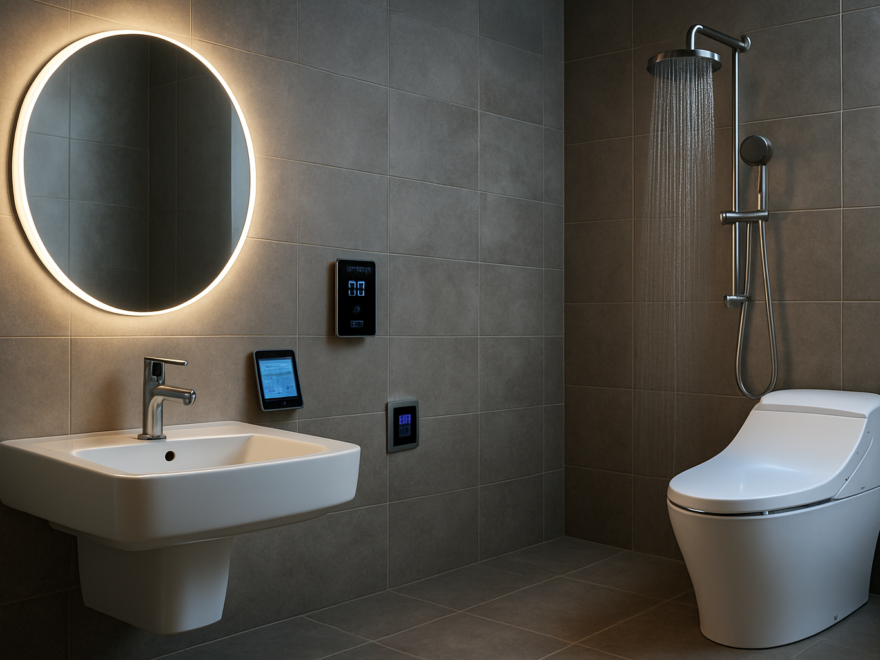
Smart toilets offer features like automatic flushing, heated seats, and personalized cleansing options. These systems require careful installation to avoid plumbing issues and electrical hazards. A common mistake is neglecting proper waterproofing around electronic components, which can lead to costly repairs.
Bidets integrated with smart controls provide better hygiene but must be compatible with existing plumbing. Users should consider water pressure and temperature control to avoid discomfort or damage to fixtures.
Heated floors and towel racks
Heated floors add warmth and comfort, especially in colder climates. However, improper installation can cause uneven heating or electrical faults. It is crucial to ensure the heating system is compatible with the floor material and that insulation prevents heat loss.
Heated towel racks improve drying times and reduce mildew risk. The main tradeoff is energy consumption, so selecting energy-efficient models and timers can prevent unnecessary power use.
Touchless faucets and fixtures
Touchless faucets reduce germ transmission and water waste by activating only when hands are detected. Sensor calibration is critical; poorly adjusted sensors may cause water to run unnecessarily or fail to activate. Maintenance includes regular cleaning of sensors to prevent malfunction.
These fixtures often require batteries or electrical connections, so accessibility for replacement and safety considerations must be planned.
Bathroom ventilation systems
Proper ventilation prevents mold growth and controls humidity. Ventilation fans vary in capacity and noise levels, and selecting the right size for the bathroom is essential. Oversized fans can waste energy, while undersized ones fail to remove moisture effectively.
Exploring smart bathroom technology trends reveals how these systems integrate with digital controls for optimized water management.
Water-saving bathroom technologies
Installation location affects performance; vents should exhaust directly outdoors, not into attics or crawl spaces. Regular cleaning of vents and filters maintains airflow and system longevity.
Low-flow toilets, faucets, and showerheads reduce water use but must balance conservation with user satisfaction. Too low a flow can cause poor flushing or inadequate rinsing, leading to repeated use and negating savings.
Pressure-compensating valves help maintain consistent flow, but incorrect installation can cause leaks or pressure drops. These technologies often qualify for rebates, making them cost-effective upgrades.
Integrated bathroom sound systems
Sound systems enhance the bathroom experience with music or voice control. Moisture-resistant speakers and waterproof controls are necessary to avoid damage. Placement must consider acoustics and user accessibility.
Recent advances in smart restroom technology include integration of sound systems with other bathroom controls for seamless operation.
Wireless options simplify installation but depend on reliable network connections. Wired systems offer stability but require more complex setup.
Choosing the right bathroom technologies
Selecting innovations requires evaluating compatibility with existing infrastructure and user needs. Overloading a bathroom with features can complicate maintenance and increase costs. Prioritize technologies that offer clear benefits and reliable performance.
Professional installation and regular upkeep are key to ensuring these innovations function as intended and provide lasting value.